
How Long Does Nomad Travel Insurance Take to Pay a Claim?
Last updated: October 30, 2026
Key Takeaways
- Payment usually follows approval, not the initial filing.
- Missing documents are the top cause of slower payouts.
- The claim portal status shows whether the file is received, pending, approved, or paid.
- Delays usually come from verification, mismatched records, or payout handling.
Quick Answer

How long does Nomad travel insurance take to pay a claim? Usually, payment comes after approval, and the timeline can range from a few days to several weeks depending on documents, review, and the payout method. If the file is complete, the claim may move faster; if it needs more proof, it can take longer.
Nomad travel insurance usually pays a claim after the insurer finishes review, approves the loss, and sends the money by bank transfer or reimbursement check. The timing is not fixed by one universal rule; it depends on whether the file is complete, whether a claims adjuster needs more proof, and how fast your bank processes the payout. This is information, not financial advice, and a qualified adviser should be consulted for your own situation. For claims timing basics, see the claims process and policy terms.
Who this applies to, and what you need in hand
This applies to a nomad who has already filed a claim, or is about to file one, and wants a realistic sense of the payment timeline. It assumes you have the claim portal login, your policy number, basic loss details, and at least some supporting documents such as receipts, medical notes, airline correspondence, or police reports. If you have not opened a claim yet, the question is not “how fast will they pay?” but “what will slow review down?”
The main thing to understand is that claim payment has two separate clocks. The first is review time, when the insurer checks the file, asks for missing documents, and decides whether the loss is covered. The second is reimbursement timing, when an approved claim is actually paid out through the method listed on the file. A claim can be approved one day and still take several more days to land in your account because of bank transfer processing or a reimbursement check in the mail.
This guide is for timing expectations, not for explaining the whole claims process from scratch. It does not replace the policy wording, and it should not be used to guess coverage where the policy terms say otherwise. For coverage, exclusions, and claim rules, the hub article on coverage, exclusions, and claim rules is the right place to start. The coverage guide explains what is usually included and what is not.
One practical limit matters here: if your file involves a disputed loss, a large medical bill, identity theft, or any situation with unclear liability, the standard timeline can stretch well beyond the usual review window. In those cases, the question is no longer just speed; it is whether the claim needs escalated handling by the claims team or support ticket follow-up. A larger file often needs more than one review cycle.
How long does Nomad travel insurance take to pay a claim?
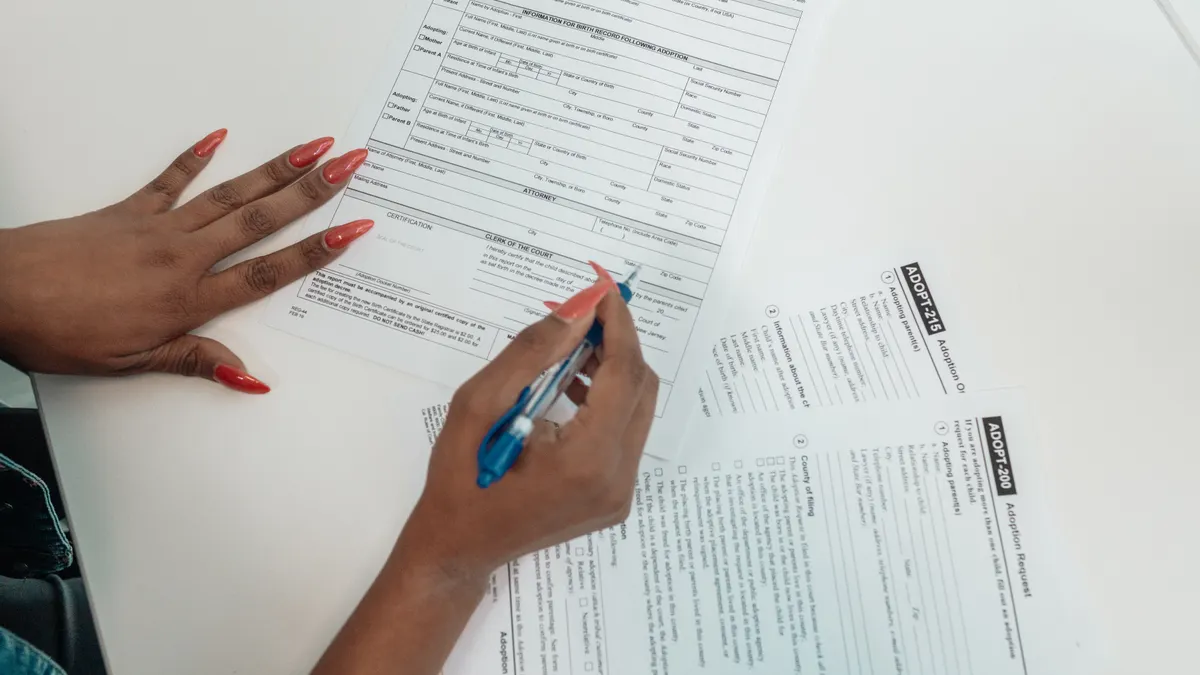
The short answer is that payment usually comes after the claim is approved, not when it is first submitted. In practice, that means the timeline has three stages: initial review, approval, and payout. If the file is clean and complete, the review may move faster, while the payout still depends on the payment rail.
A typical file spends time in the claim portal while a claims adjuster checks dates, loss details, and proof of payment or loss. If the insurer needs more information, the claim may sit in “pending” status until you reply. That is where many people lose days or weeks: not because the insurer is refusing to pay, but because the file is incomplete. A single missing receipt can add another review cycle.
Once a claim is approved, payment speed depends on the method. A bank transfer is often faster than a reimbursement check because there is no mailing delay, but bank transfer time still depends on the receiving bank’s processing rules. A reimbursement check adds postal time and deposit time. If you are travelling, that can matter a lot; a check sent to an old address can turn a normal payment into a long chase. The payment methods page explains why payout route matters.
The most honest answer is that there is no fixed number of days that applies to every claim. Fast claims are usually those with clear documentation, a straightforward loss, and no coverage dispute. Slow claims usually involve medical records, police reports, airline delay proof, or missing receipts. If the claim goes into manual review, the timeline can stretch from a few days to several weeks, depending on what the adjuster still needs. A simple file may move in 3 to 7 days; a complex one may take longer.
A good result looks like this: the claim portal shows receipt, the support ticket gets a response, the adjuster requests everything in one round, and the approved claim payout is released without repeat follow-up. A bad sign is repeated status changes with no new decision, or the insurer asking for the same document twice. That usually means the file is not moving cleanly through review.
What usually delays an approved claim payout?
Missing documents are the most common reason a payout slows down, because the insurer cannot finish review until the file is complete. A receipt, itinerary, diagnosis note, police report, or bank statement may be enough for one type of loss and useless for another, so the adjuster often needs the exact document named in the policy wording. If that proof is absent, the claim can sit in pending status for days or longer. For document rules, see required evidence.
The second delay is a mismatch between the story and the paperwork. If the dates on your flight change email do not match the dates in the claim portal, or if a medical invoice does not show the patient name, the file may be sent back for clarification. That may mean more review time, and it can add another support ticket cycle. One small inconsistency can add another support ticket cycle.
A third delay comes from third-party verification. Airlines, hospitals, and local authorities may respond slowly, and some claims cannot be finalized until the insurer confirms a delay, diagnosis, or incident report. In those cases, the claims adjuster is waiting on outside confirmation, not just your upload. That is why a claim with perfect personal documents can still take longer than expected. For airline delay claims, see the trip interruption guide.
Banking details can also slow payment. An incorrect account number, a closed account, or a country restriction on transfers can hold up a bank transfer after approval. If the insurer pays by reimbursement check instead, international mailing can create an extra lag that does not show up in the claim portal. A claim may look finished on screen while the actual money is still in transit. A wrong file type can be treated like a missing document; if you are unsure, consult a professional and check the insurer’s guidance or this document upload help.
There is also the human factor: claims may not be handled instantly on weekends or public holidays. A file submitted late on Friday may not get meaningful review until the next business day, and that can make a “3-day” expectation functionally longer. If your claim includes a time-sensitive travel disruption, the calendar matters almost as much as the policy. The support hours page can help you plan follow-up timing.
What to check before you wait
Start with the claim portal status, because that tells you whether the file is merely received, under review, pending more information, approved, or paid. If the portal is vague, check for a support ticket or email from the claims team, since many delays are visible there before they show up anywhere else. A claim stuck at “received” for several business days is a sign to follow up.
Next, confirm that every required document is actually attached in the format requested. A PDF receipt is not the same as a screenshot in many claim systems, and some insurers want the full page, not a cropped image. If the policy asks for a police report within 24 hours or a receipt from the original provider, check that you uploaded the exact item they asked for. A wrong file type can be treated like a missing document, so if in doubt, consult a professional and compare the upload rules with the insurer’s instructions.
Check the payout details as soon as the claim is approved. The bank transfer information should match the account you can access now, not the one you used months ago in another country. If the insurer mails a reimbursement check, confirm the mailing address is current and deliverable. An approved payout sent to the wrong place is one of the easiest delays to avoid and one of the most frustrating to fix. The billing and payout guide covers common mistakes.
Keep an eye on time zone differences. If the insurer’s support desk works on a 9-to-5 business schedule and you are filing from another region, responses may appear to lag by a full day. That does not mean the file has stopped moving. It often means the next review window has not opened yet. A file can sit for 24 hours without any change and still be moving normally.
The strongest habit is simple: read the latest message before sending a follow-up. Repeating the same upload three times does not speed review; it creates more noise. A clean file, one clear response, and one precise follow-up usually work better than daily messages.
What slows down a claim?
A claim slows down when the insurer cannot verify the loss, the documents do not match, or the payment method needs extra handling. Those are the three broad causes, and each has a different effect on timing.
Missing or incomplete documents: The file stays pending until the insurer gets what it asked for — upload the exact item named in the message, and check that it is readable and complete.
Conflicting dates or totals: The claims adjuster may need to recheck the story — compare the itinerary, receipts, and incident date line by line before resubmitting anything.
Third-party delay: The insurer is waiting on an airline, clinic, police office, or other outside source — follow up with that source if you are allowed to do so, then update the support ticket with the result.
Wrong payout details: The claim may be approved but not paid — verify the bank transfer information or mailing address before approval if the portal still allows edits.
Policy question on coverage: The claim can pause while the insurer interprets the wording — if the issue is about what the policy covers, ask for the decision in writing and keep the correspondence.
These delays may or may not lead to a denial. They usually mean the insurer cannot close the file yet. If the same request appears twice, that is a sign the review has not advanced, and a clearer follow-up is needed.
When to stop waiting and get qualified help
If the insurer has asked for the same missing document twice, the file may need a stronger escalation — contact the claims team in writing and, if the amount is significant, seek qualified advice about your options.
The insurer has denied the claim in writing: The payment clock has effectively stopped — ask for the reason code and the policy section relied on, then get professional guidance if the amount matters to you.
The claim involves medical treatment, surgery, or hospital billing: The stakes are high and the paperwork can be technical — a qualified adviser or medical billing specialist may be needed if the insurer disputes any charge.
The payout amount is much lower than the approved loss: That can mean a coverage cap, excess, or valuation dispute — request the calculation in writing before accepting it.
The insurer says the file is closed but payment never arrived: This is no longer a routine timing issue — check the bank transfer details or check status immediately and escalate through support.
You are dealing with a large loss, a missed trip, or a foreign-language document set: Translation and verification can change the outcome — get help if the file becomes hard to document accurately.
Waiting is sensible only while the insurer is actively processing the file. If the claim has stalled for a clear reason, more waiting can waste time. In a financial matter, silence is not the same as progress. The appeals process explains what to do next.
The mistakes that make payment slower
The biggest mistake is uploading partial proof and hoping the insurer will “fill in the gaps.” That usually does the opposite: the claims adjuster pauses review, and the file goes back to pending. The better alternative is to submit one complete packet, even if it takes an extra day to collect.
Another common error is ignoring the claim portal because email is easier. Some insurers post the real request in the portal and send only a brief email notice. If you miss the portal message, you may think nothing is happening when the file is actually waiting on you. Check both channels. A 1-day delay can become a 1-week delay if the request is missed.
A third mistake is treating “approved” and “paid” as the same thing. They are not. Approved means the insurer has accepted the claim; payment still has to move through bank transfer or reimbursement check processing. If your account has not received the money yet, first verify the payout method before assuming a problem.
A fourth mistake is uploading screenshots that cut off the important details. A fare receipt or medical invoice that does not show the date, amount, and provider name can be treated as incomplete. The correct alternative is a full-page PDF or a clear image that preserves the whole document. One full file is better than three partial ones.
A fifth mistake is sending several follow-ups in one day. That can bury the useful message in the support queue and does not speed the review. One concise message with the claim number, date, and specific question is usually better. If the insurer gives a stated reply window, respect it before escalating.
Edge cases where the normal timeline changes
Claims involving a reimbursement check usually take longer than claims paid by bank transfer, because mail delivery and deposit processing add extra steps. If you are travelling or moving cities, this can turn a quick approval into a long wait. In those cases, ask whether the payout method can be changed before the cheque is issued.
Claims with multi-country travel can also be slower. If the loss happened in one country, the policy was bought in another, and the payout account is in a third, the insurer may need more verification for identity, banking, or tax documentation. That does not automatically block payment, but it often extends review time. A three-country setup can mean more checks.
A claim with a language issue is another special case. If the receipt, police report, or medical note is not in the insurer’s working language, the adjuster may ask for a translation or a clearer copy. The more unfamiliar the document, the more likely it is to get held while someone checks it against the original.
Group bookings and shared expenses need extra care too. If several people split one receipt, the insurer may ask how the covered amount is allocated. A single invoice can be valid, but the claim file needs to show who paid what and who is asking for reimbursement. Without that, the payment can stall. Shared receipts often need a clearer split.
If the policy has a high excess or deductible, the approved payout may be lower than the amount claimed, which can make the timeline feel disappointing even when review went smoothly. That is not a delay; it is a calculation. Knowing the deductible before filing helps set a realistic expectation.
How long should you expect, and what counts as a normal wait?
A normal wait is the time it takes for review, approval, and payout to move in sequence without repeated document requests. For a simple claim, that may feel short; for a file needing manual review, it can feel slow even when nothing is wrong. The key is whether the insurer keeps the claim moving in visible steps. A claim with one request and one decision is moving normally.
The most useful measure is not a guessed number of days but a pattern: initial acknowledgment, one clear document request if needed, a decision, then payment. If the file follows that pattern, the timeline is behaving normally. If it sits with no change in the claim portal and no response to a support ticket, the wait has become abnormal.
A claimant who wants speed should focus on completeness, not volume. One clean upload, one accurate banking record, and one precise follow-up are more valuable than repeated messages. The claims adjuster can only pay once the file is complete and approved. For more on timing, see the FAQ and the travel claims hub.
For related coverage questions, the hub on coverage, exclusions, and claim rules is the right place to start.
Drafted with AI; not yet reviewed by a person.