Emergency Assistance and Evacuation for Nomad Travelers
Last updated: October 30, 2026
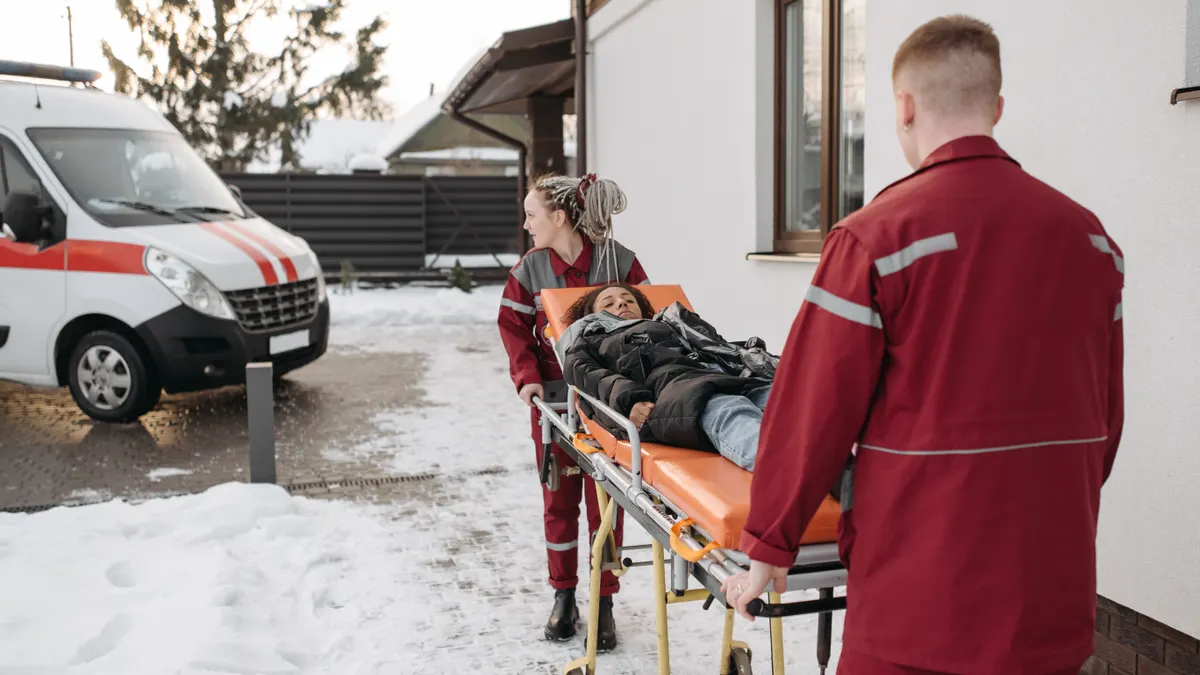
If you travel with a laptop, a passport, and no fixed base, emergency assistance and evacuation for nomad travelers is not a luxury add-on. Quick Answer: a solid plan should give you 24/7 assistance, evacuation support, and clear claim rules, with coverage that can handle the countries and activities you actually use. It is the difference between getting out fast and being stranded while a border closes, a flood rises, or a clinic asks for payment upfront. The right plan gives you medical transport, a hotline that answers, and a way to leave the country or region when staying put stops being safe.
Key Takeaways
- A nomad-friendly emergency plan needs three things: medical help, transport help, and a way to reach your insurer or assistance provider at any hour.
- Evacuation is not the same as medical repatriation. One gets you to the nearest capable facility; the other gets you home or to a better center when the policy allows it.
- The best policy for a remote worker is not always the cheapest, because rules on pre-existing conditions, adventure sports, motorbike injuries, and political unrest can matter more than price.
- Carry both digital and paper copies of your passport, policy number, emergency contacts, and prescriptions.
- A plan that works in Bangkok may fail in a mountain town, on an island, or across a land border with slow crossings.
- The wrong policy for this life is one that sounds broad but requires you to pay first, call too late, or prove the emergency after you are already stuck.
What emergency assistance and evacuation actually cover
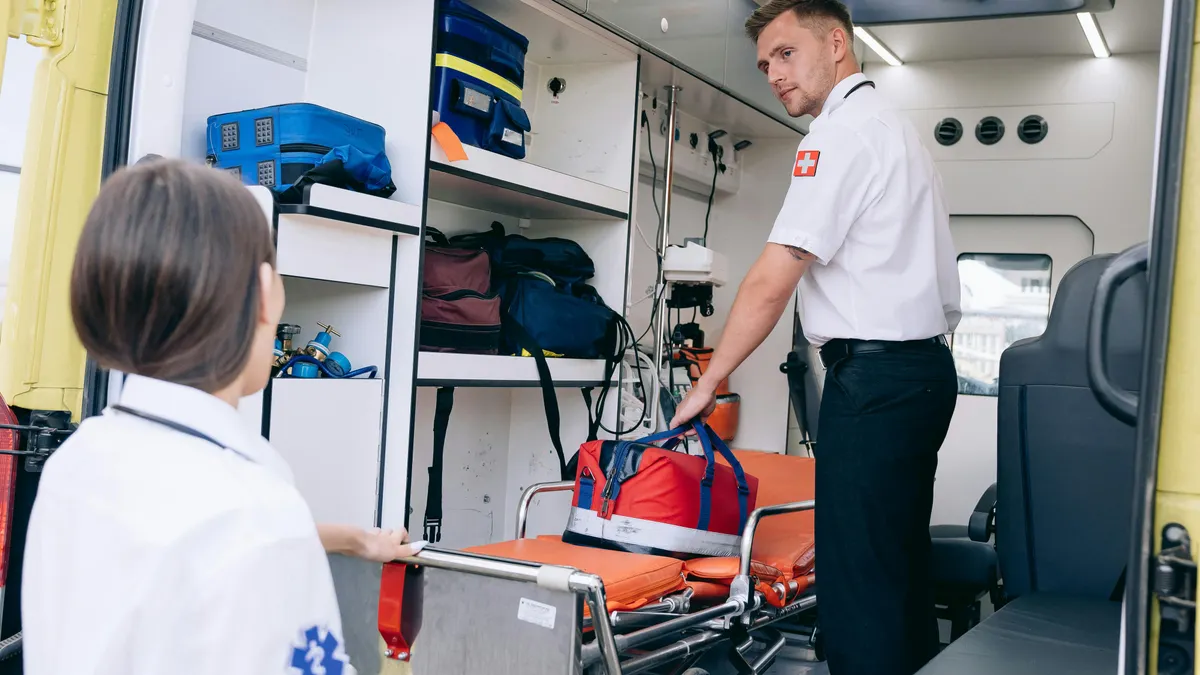
Emergency assistance and evacuation cover the logistics of getting you help when ordinary travel plans break down. For nomad travelers, that usually means 24/7 phone or app-based triage, hospital coordination, guarantee of payment to providers when the insurer approves the case, ambulance transport, medical evacuation by air or ground, and sometimes repatriation to your home country.
The exact trigger matters. Many policies only activate when a doctor appointed by the assistance company decides that your condition cannot be treated locally or that travel is medically appropriate. That means a fever, stomach infection, broken wrist, or seizure can be treated very differently depending on where you are, what the local hospital can handle, and whether the insurer’s doctor agrees. If you are unsure, consult a medical professional and review the policy wording before you rely on it; the CDC’s traveler guidance is a useful starting point for planning: https://wwwnc.cdc.gov/travel
A typical emergency assistance chain looks like this:
- You contact the assistance line as soon as the situation becomes serious.
- They assess the case and direct you to the nearest suitable clinic or hospital.
- If needed, they arrange transport and may issue a guarantee of payment.
- If local care is inadequate, they coordinate evacuation to a higher-level facility or, in some cases, back home.
That sounds straightforward. It is not always straightforward on the ground, because a policy may cover a medical helicopter from a remote island but exclude a self-requested private air ambulance because you called a family member instead of the assistance center first. Another may cover evacuation for acute trauma but not for a flare-up of a long-term illness unless that illness was declared and accepted in writing.
The terms also differ in a way many generic guides miss:
- Emergency medical assistance is the coordination layer.
- Medical evacuation is the transport to a suitable medical facility.
- Medical repatriation is transport to your home country or home city when approved.
- Non-medical evacuation covers security, political unrest, natural disaster, or forced departure from an area, if the policy includes it.
For nomads, the last two matter because your risk is not just illness. Earthquakes, monsoon flooding, civil unrest, wildfire smoke, volcanic ash, and border disruptions can all turn a normal month in one city into a departure problem within 24 hours.
What a nomad needs that a standard travel policy often misses
A nomad needs a policy that follows movement, not a single round trip. Standard travel insurance often assumes one departure date, one return date, and one home country. That fits a two-week vacation. It is weaker for a remote worker who moves every 30 to 90 days, extends stays, crosses land borders, or works from multiple countries in one year.
The biggest gap is duration. Many travel policies are built around trips of 30, 60, or 90 days, after which the cover can end or become harder to extend. A long-stay traveler needs to check whether the policy renews while abroad, whether there is a maximum trip length, and whether moving from one country to another resets or breaks cover.
Another gap is geography. A policy may cover “worldwide excluding the United States and Canada,” or “worldwide including the United States,” and that wording can change the price and the evacuation rules. For nomads who bounce between Southeast Asia, Europe, and Latin America, a policy that looks broad can still exclude the exact region where they spend three months at a time.
A third gap is activity coverage. A generic plan may exclude:
- motorbike or scooter riding without a valid license
- scuba diving beyond a set depth
- trekking above a certain altitude
- climbing with ropes or technical gear
- kiteboarding, surfing, or winter sports
That matters because many nomad hubs are built around exactly those activities. Chiang Mai, Bali, Medellín, Cape Town, Lisbon, and Mexico City all sit near roads, beaches, mountains, or nightlife where accidents happen far from a major trauma center.
There is also the payment issue. Some policies reimburse after you pay. Others have an assistance team that can issue a guarantee to the hospital. A traveler with limited cash on hand can find reimbursement useless in the first hour of a crisis. For this life, direct-assistance and payment coordination are often more valuable than a slightly lower premium.
A practical way to think about it is this: if the policy only works after you are stable, it is not enough. If it cannot arrange transport, translate with local staff, and advise on the nearest appropriate facility, it is not built for a location-independent trip.
One good external reference for traveler health preparation is the U.S. Centers for Disease Control and Prevention’s travel health guidance, which explains the value of destination-specific planning and routine preparedness: https://wwwnc.cdc.gov/travel
How to choose emergency assistance if you move countries every few months
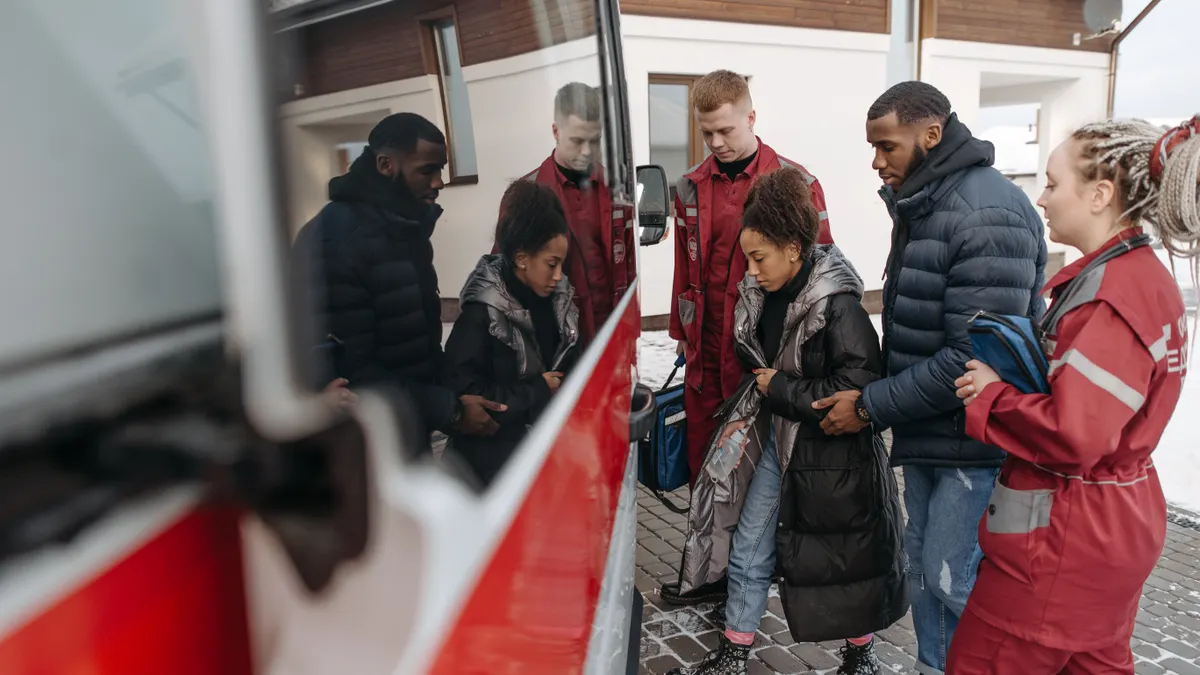
Choose the policy by stress case, not by brochure language. The stress case is the moment you are dehydrated, in pain, offline, and trying to make a cross-border decision in a language you do not fully speak.
Start with these five checks:
1) Does the assistance line operate 24/7 and in your language?
If the line is only staffed during one time zone, it is weak for nomads. A true assistance desk should answer at any hour and support coordination in the places where you actually travel. If the policy lists multiple call numbers, save them all offline. A roaming phone can fail exactly when you need to call.
2) Does the policy require pre-approval before treatment?
Most do, at least for evacuation and major admissions. That is normal. What matters is whether the policy states what happens if you are unconscious, alone, or unable to call. A reasonable policy should have emergency exceptions for cases where delay would worsen injury, but confirm that interpretation with the insurer or a medical professional before travel. A good place to review travel-health basics is the WHO travel and health resource page: https://www.who.int/health-topics/travel-and-health
3) What counts as “medically necessary”?
That phrase is where many claims turn. A knee injury may be urgent but not evacuation-worthy if local orthopedics are adequate. A respiratory crisis at altitude may be both urgent and evacuation-worthy. Read the definition carefully before you buy. If the wording is vague, ask for the claims interpretation in writing.
4) Are pre-existing conditions covered?
If you have asthma, diabetes, epilepsy, autoimmune disease, previous surgery, or a history of clotting problems, this is not a side detail. Some policies exclude pre-existing conditions entirely. Others cover stable conditions under specific rules. For a traveler who lives abroad, that exclusion can erase the usefulness of the whole policy.
5) How does the policy handle remote places?
A plan that works in central Barcelona may struggle on a ferry, in a mountain village, or on an island with a single clinic. You want wording that covers ground ambulance, boat transfer, air evacuation, and coordination across borders when appropriate.
The hard truth is that some nomads should not buy the lowest-cost product. If you ride scooters daily, dive, trek high altitude, or travel with a condition that can flare without warning, the cheaper policy can become the most expensive choice the first time you need approval.
One professional source worth checking is the International SOS medical and security assistance resource center, which explains how assistance services are structured and why coordination matters: https://www.internationalsos.com
Emergency assistance and evacuation for nomad travelers in practice
Emergency assistance and evacuation for nomad travelers works best when you prepare before the crisis, because the first 10 minutes often decide the next 10 hours. The practical job is to reduce confusion, reduce delay, and reduce the chance of paying the wrong provider out of pocket.
Build a small emergency kit that lives in your backpack, carry-on, and cloud storage: consult a medical professional about what else your situation may require, and check your policy and destination rules before you rely on any kit.
- passport copy and visa page
- insurance certificate and policy number
- assistance hotline numbers in your phone and on paper
- emergency contact names with country codes
- a list of medications and doses
- prescription copies and allergy notes
- blood type only if you already know it from a reliable record
- a card showing chronic conditions, if relevant
- local addresses of where you stay this month
- an offline map of the area
Keep one digital copy in a secure cloud folder and one paper copy in a pouch you do not leave behind. If your phone dies or is stolen, you still need the policy number and call center.
You should also know how to describe the problem in one sentence. “Chest pain and shortness of breath since 2 a.m.” gets a faster response than a long story about dinner, travel fatigue, and a bad night’s sleep. Assistance teams triage by symptom and severity. Give them the facts first: where you are, what happened, when it started, what medications you take, and whether you can walk or speak normally.
In a true emergency, do not wait to get perfect authorization if waiting will put you at risk. Call local emergency services first if the situation is life-threatening, then notify the assistance line as soon as possible. Many countries use different emergency numbers, and some have weak ambulance coverage outside large cities. If you are in a place like rural Thailand, an island in the Philippines, or a mountain region in Peru, local transport may be limited. The assistance company may still need to coordinate a later transfer to a better facility.
Language is another weak point. A nomad in a city like Ho Chi Minh City, Mexico City, or Kraków may find major hospitals with English-speaking staff. Outside those centers, translation can collapse quickly. Emergency assistance teams often help bridge that gap by speaking to the clinic, arranging a local translator, or asking for a medical report that can be shared with the insurer.
Do not assume your accommodation can solve the problem. A hostel receptionist can call a taxi. They cannot usually negotiate payment guarantees with a hospital or arrange a medevac. Hotel staff may help you reach care, but the assistance provider is the part that coordinates the expensive pieces.
What emergency assistance costs and what affects the price
Emergency assistance and evacuation are usually sold inside travel insurance, international health insurance, or a membership-style assistance plan, and the price depends most on age, destination, length of cover, activities, and medical history. Exact figures vary too much by country and insurer to give a single honest price, but the cost often rises sharply when the plan includes the United States, adventure activity, longer duration, or pre-existing condition coverage.
A useful way to compare options is by the features that drive cost.
| Coverage type | Typical use case | What pushes the price up | What to watch for |
|---|---|---|---|
| Short-trip travel insurance | One trip of a few weeks | USA coverage, age, baggage, adventure add-ons | Often weak for long stays or extensions |
| Multi-trip travel insurance | Frequent short trips over a year | Trip length limits, destination zones, sports | Can fail if one trip lasts too long |
| Expat or international health insurance | Living abroad for months or years | Age, deductible, pre-existing conditions, outpatient cover | May require waiting periods or underwriting |
| Assistance-only membership | Fast hotline and coordination | Medical risk profile, region, evacuation scope | May not replace full medical cover |
For nomads, the cheapest option is often the one with the narrowest evacuation language. A policy that sounds affordable may only promise “reasonable and customary” transport or may cap evacuation in a way that does not match the real cost of an air ambulance. You should also ask whether the plan covers one-way medical transport only, or both transport and continuing care after arrival.
If you are shopping from a location-dependent angle, local rules matter too. In some countries, residents can buy domestic health cover but not the kind of evacuation assistance that helps in another region. If you are crossing between Schengen Europe, Southeast Asia, Central America, and the United Kingdom, your status may change what products are available to you.
The main trade-off is simple: more generous evacuation support usually means higher premiums and stricter underwriting. A nomad who rarely leaves major cities and has no medical history may accept a lighter plan. A person who rides motorbikes, climbs, or works from remote areas should usually pay for broader assistance.
Red flags that should make you keep shopping
A policy that is hard to read is a policy that may be hard to use. The clearest warning signs are not glamorous. They are buried in exclusions, definitions, and contact rules.
Watch for these problems:
- The policy only pays after you submit original paper receipts, even if you are abroad for months.
- The assistance number is not 24/7.
- The language on evacuation says “subject to approval at the sole discretion of the insurer.”
- Pre-existing conditions are excluded without nuance.
- Motorbike use is covered only if you wear a helmet and hold a valid license, but the country you are in does not issue the license class you need.
- The policy excludes “areas deemed unsafe” without explaining who decides or how often that list updates.
- The insurer can choose the hospital, not you, even when the nearest hospital is not appropriate for your condition.
- The plan has no clear language on companion transport, which matters if you are disoriented or traveling with a partner who also needs help.
A nomad should also be suspicious of vague “worldwide” wording without a list of exclusions. Worldwide can still mean “not the United States,” “not sanctioned countries,” “not your home country,” or “not places the insurer deems high risk.” If you work from multiple continents, that ambiguity can destroy a claim.
Another red flag is no emergency transport for non-trauma events. People think evacuation only means car crashes and falls. It also covers strokes, severe infections, obstetric emergencies, altitude illness, and respiratory failure. If the policy language does not clearly speak to medical necessity rather than only accidents, it may not fit real travel life.
There is also a personal red flag: if you know you will ignore the policy terms when the moment comes, buy a simpler product with clearer rules. The best coverage is the one you can actually use under stress. Dense legal text is not useful at 3 a.m. in a clinic hallway.
For general pre-travel medical planning, the World Health Organization’s travel and health resources remain a reliable reference point: https://www.who.int/health-topics/travel-and-health
How to make a claim or trigger evacuation without losing time
Trigger the claim fast, document everything, and do not let confusion delay care. The first move is always safety. The second move is contact.
Use this order:
- Get to immediate safety or emergency care.
- Call the assistance line as soon as the situation allows.
- Give the policy number, your exact location, and a short symptom summary.
- Ask whether they will guarantee payment or whether you must pay first.
- Keep names, times, and reference numbers.
- Save photos of receipts, discharge notes, and any medical report.
- Ask for written confirmation if the case is approved.
If evacuation is possible, the assistance company may ask for records from the local doctor. That can include a diagnosis, vital signs, test results, or a fit-to-travel statement. This is not busywork. It is how they decide whether a ground transfer, commercial flight with medical escort, or air ambulance is justified.
Be ready for one inconvenient reality: the nearest hospital may be good enough to stabilize you but not good enough for the whole case. That is where assistance teams earn their fee. They may move you from a small clinic to a regional hospital, then later to a capital city, then home. Each transfer needs authorization. If you skip the call and self-arrange everything, you can lose coverage for the expensive part.
Payment discipline matters too. If the hospital asks for a deposit, ask the assistance line whether they can issue a guarantee or payment letter. Never assume a card swipe is automatically reimbursable. If you can avoid paying a large amount upfront, do it. If you must pay, get itemized receipts and the medical report before you leave.
A final point that generic advice often misses: keep your device charged. A power bank of 10,000 mAh or more is a practical minimum for a day of confusion, map use, calls, and translation apps. If your phone dies during a transfer, you can lose the hotline, maps, and the emailed approval all at once.
Who this is for — and who it is not for
This kind of coverage is for nomads who cross borders often, stay in private rentals or short-term stays, and want a real path to medical help when things go wrong. It is especially useful for people who spend time in places with uneven hospital quality, long ambulance response times, or difficult terrain.
It is not a great fit for someone who only takes a single domestic trip, already has comprehensive local health coverage, or wants the lowest possible premium and does not care whether evacuation is coordinated or merely reimbursed. It is also a poor match for travelers who will not read the exclusions on motorbike use, altitude, pre-existing conditions, or country restrictions.
The clearest judgment is this: if your work life keeps you moving and your recovery plan cannot move with you, you need real emergency assistance, not just a travel insurance label. The farther you are from your passport country, the more the assistance desk matters.
A strong nomad policy is the one that still functions when the situation gets ugly, the clinic is full, the road is washed out, and the only thing you can manage is one phone call.
Drafted with AI; not yet reviewed by a person.