
Claim Filing and Reimbursement for Nomad Travelers: The Complete Guide
Last updated: November 05, 2026
Key Takeaways
- Claims are decided before the expense happens, not after.
- Send each claim to the primary insurer for that event, using the exact documents they request.
- If any of the three core proofs is missing, payment is usually delayed or denied.
- Reimbursement shifts cash-flow risk to the traveler; direct billing shifts part of it to the insurer or assistance company.
Claim filing and reimbursement for nomad travelers works best when the trip has a paper trail, a primary insurer, and a clear answer to one question: which policy pays first when you need care far from home? Quick answer: for nomad travelers, the best claims outcome usually comes from filing with the right insurer, in the right order, with the right proof, before deadlines close. Claim filing and reimbursement for nomad travelers are easier when you save the policy PDF, claims page, and emergency contact before departure.
I write about travel risk, policy wording, and cross-border coverage disputes, which is the part of this topic most readers get wrong: claims are usually decided by wording, not by the place you happen to be standing when you get sick or lose your bag. For Claim Filing and Reimbursement for Nomad Travelers: The Complete Guide, that means the policy terms control the claim, not the location alone.
What nomad travelers need to get right before anything happens
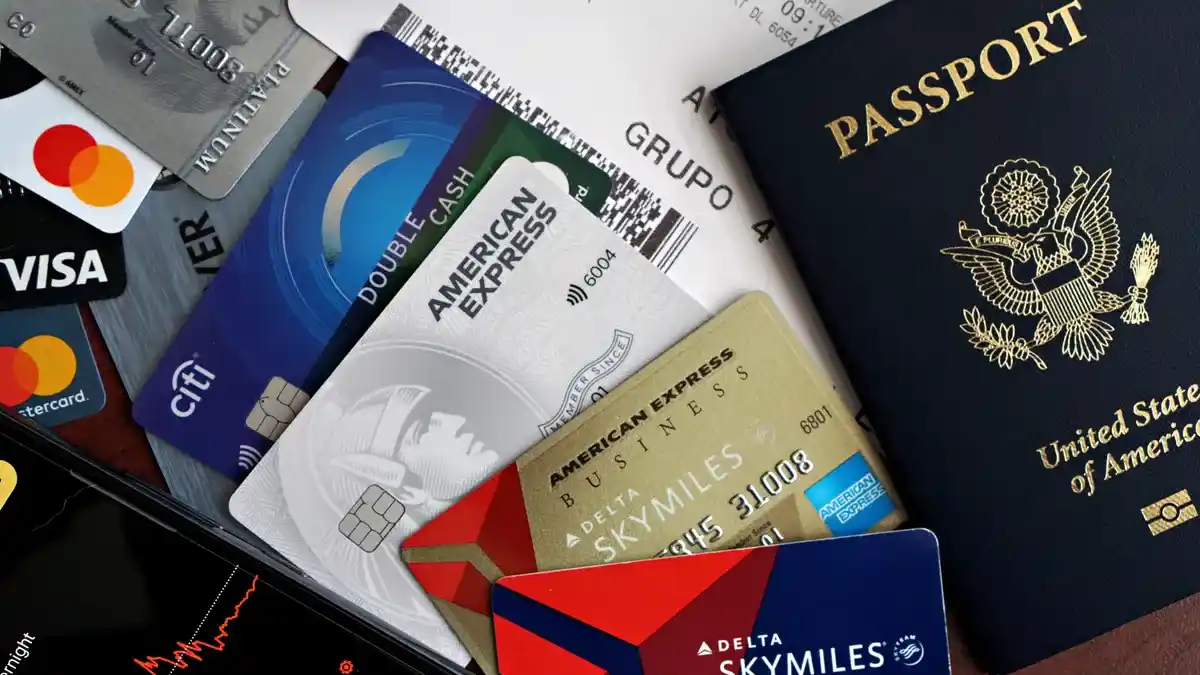
The claim wins or loses before the expense exists. The key is to know which policy is responsible, keep proof from day one, and avoid the gap between “I paid” and “the insurer has what it needs.”
For a nomad, the common setup is messy: a home-country health plan, a travel medical policy, maybe a global health membership, a card perk, and sometimes a rental or baggage policy. In Claim Filing and Reimbursement for Nomad Travelers: The Complete Guide, the first mistake is treating all of them as interchangeable; consult a professional or check the policy wording before you assume one will pay. A travel medical policy usually covers sudden illness or injury during a trip. A home-country health plan may reimburse only in-network care or only when you return home. A premium credit card might help with trip delay or baggage, but not a week of antibiotics in Chiang Mai. Card benefits are often secondary and capped.
The second mistake is paying cash without asking for the insurer’s process. Many travel insurers require a claims portal, itemized invoices, diagnosis codes, discharge notes, and proof of payment. If the clinic can bill the insurer directly, that can save weeks. If it cannot, then every receipt matters. The settlement often depends on whether the invoice shows the patient’s name, date of service, procedure, currency, and amount paid.
The third mistake is missing the deadline. Many insurers require notice within a short period after the event or after the trip ends; the exact deadline is in the policy wording. Do not trust memory here. Read the claims section, not the marketing page. If the policy says a pre-authorization is required for a non-emergency scan or inpatient stay, and the traveler skips it, reimbursement can shrink or disappear.
The practical rule is simple: before travel, save the insurer’s claims page, emergency number, and policy PDF offline. Keep screenshots of coverage dates, exclusions, and the emergency contact. If the policy has a 24/7 assistance line, that number should be in the phone and in email. A nomad who crosses borders every 30 to 90 days cannot afford to search for documents after an accident or a theft.
How do I file a travel insurance claim while moving between countries?
File it with the insurer that is primary for that event, then gather the documents they ask for in the exact format they ask for. That usually means a claim form, itemized receipts, proof of payment, and any medical report or police report tied to the loss. For Claim Filing and Reimbursement for Nomad Travelers: The Complete Guide, that first filing step matters more than speed alone.
The order matters. If the event is medical, start by calling the assistance line if the policy has one. Ask whether the case needs pre-approval, a guarantee of payment, or direct billing. Ask what they want the clinic to write on the invoice. Some policies reimburse only after you have paid and uploaded proof; others can coordinate direct settlement with the provider. Direct billing is especially useful for inpatient care, imaging, and large bills, but it is not universal. If the provider is in a country with strict data or billing rules, you may still have to pay first.
For non-medical claims, the event type determines the evidence. Delayed baggage usually needs airline confirmation, baggage tag numbers, and a list of essentials purchased. Theft usually needs a police report filed promptly, often within 24 hours or the nearest practical window. Trip cancellation usually needs proof of the reason for cancellation: a doctor’s note, a death certificate, or airline cancellation records. The insurer will not usually accept a vague explanation and a card statement.
A nomad should keep a running document folder with four things: passport ID page, policy PDF, receipts in PDF or photo form, and a timeline. The timeline is often the missing piece. Write down when symptoms started, when care was sought, when the airline lost the bag, when the police were called, and when the provider charged the card. That sequence helps the adjuster match events to coverage. The claim may be evaluated by date of loss, date of diagnosis, or date of interruption, depending on the policy wording.
If the insurer has an online portal, use it. If it accepts email claims, keep the entire thread. If it wants original documents, ask whether scanned copies are enough first. Some insurers also ask for bank details in a specific format, including IBAN or SWIFT/BIC for cross-border transfers. A reimbursement delayed by wrong bank details is still a delayed reimbursement.
One practical source worth bookmarking is the U.S. Department of State’s travel insurance advice page, which explains why travelers should read policy terms and understand exclusions before departure: https://travel.state.gov/content/travel/en/international-travel/before-you-go/travel-insurance.html. For Claim Filing and Reimbursement for Nomad Travelers: The Complete Guide, that page is a useful starting point, but the policy wording still controls the claim. For health coverage comparisons across countries, the insurer’s own terms still control, but a government summary can help identify the questions to ask.
What documents actually move a claim forward?
The documents that move a claim forward are the ones that prove three things: the event happened, the expense belongs to the traveler, and the policy covers that kind of loss. Without all three, reimbursement slows down or fails.
For medical claims, the core set is usually:
- itemized invoice with provider name and tax or registration details
- proof of payment
- diagnosis or treatment note
- discharge summary for anything beyond a simple visit
- prescription receipts if medication is claimable
- referral or pre-authorization record if the policy required one
For baggage or theft claims, the usual set is:
- airline Property Irregularity Report or equivalent baggage report
- baggage tag and boarding pass
- police report for theft
- purchase receipts for the stolen or replaced items when available
- photos of damaged luggage or contents if relevant
For trip interruption or cancellation, the insurer often wants:
- itinerary or booking confirmation
- proof of cancellation fees or unused prepaid costs
- doctor’s statement, death certificate, or other covered cause
- refund or credit notices from the airline, hotel, or platform
The rule that surprises many nomads is that screenshots are not enough if the claim is large. A booking confirmation on a phone can help, but it is usually weaker than a PDF invoice from the supplier. The same goes for bank alerts: useful as backup, but they may not be enough on their own. If a provider will only send a receipt by email, ask for one before leaving the desk. If a clinic can print an invoice, take it immediately. Reconstructing paperwork from three countries later is painful and often incomplete.
Receipts should show date, merchant, currency, and amount. If the receipt is in a language the adjuster may not read, translation can help. You do not usually need a sworn translation for a simple claim, but if the amount is high or the cause is disputed, an insurer may ask for one. Keep the original file untouched and make a labeled copy.
The hardest part is not collecting documents; it is keeping them organized enough that the adjuster can see the story in one pass. A claim packet with 14 unlabeled photos is a delay. A packet with a one-page timeline, a cover note, and clearly named files is much easier to process.
The real difference between reimbursement and direct billing
Reimbursement puts cash-flow risk on the traveler; direct billing shifts some of that burden to the insurer or assistance company. For nomads, direct billing usually works best for hospital care and expensive treatment, while reimbursement often works best for small, common expenses that can be paid out of pocket and claimed later. Consult a professional or check the policy wording before relying on either method.
Here is the practical difference. With reimbursement, the traveler pays the provider first, then submits the claim and waits for payment after review. That works fine for a $40 clinic visit, a prescription, or a small baggage purchase. It gets painful when the bill is large or the trip budget is tight. A nomad with limited monthly cash may not be able to cover a four-figure hospital charge for long.
With direct billing, the insurer or assistance partner agrees to pay the provider directly, or to issue a guarantee of payment. This is common in emergency hospital settings and some inpatient cases. It is less common in small clinics, dental care, or pharmacies. The catch is that direct billing usually depends on approval before or during treatment, and the provider must accept the arrangement. If the nomad walks in without calling the assistance line, the clinic may still ask for upfront payment.
The honest downside of direct billing is control. It can be slower to arrange, and it can limit provider choice. A traveler in a smaller city may find that the insurer’s direct-billing network is thin. Reimbursement gives more freedom to choose any provider, as long as the policy covers the care and the invoice is proper. That freedom comes with the financial burden of paying first.
The other drawback is that reimbursement claims are vulnerable to paperwork errors. If the invoice lacks a diagnosis, if the receipt is missing a tax number, or if the card statement does not show the merchant name, the insurer may request more documents. Each extra request adds days or weeks.
Nomads should think in terms of liquidity, not just coverage. If the emergency fund can cover the bill temporarily, reimbursement may be fine. If it cannot, the policy should be chosen for its assistance network and direct-billing process. That is why a cheap policy with weak assistance can be worse than a more expensive one with a workable claims desk.
The honest side-by-side
The better option depends on whether the claim is small and routine or large and medically urgent. Reimbursement is more flexible; direct billing is more protective of cash flow.
| Criteria | Reimbursement | Direct billing | Winner for this condition |
|---|---|---|---|
| Upfront cash needed | Traveler pays first, then claims later | Insurer or assistance partner pays provider directly when approved | Direct billing for low-cash travelers |
| Best use case | Small clinic visits, prescriptions, minor luggage losses | Hospital admission, surgery, expensive imaging, emergency treatment | Depends on claim size |
| Provider choice | Wide choice if the policy covers the service | Limited to participating providers or approved arrangements | Reimbursement for flexible routing |
| Speed to access care | Usually fast if the traveler can pay immediately | Can be slower if approval is required first | Reimbursement for simple care |
| Paperwork burden | Higher after the event: receipts, proof of payment, medical notes | Higher before or during care: authorization and provider coordination | Depends on timing preference |
| Risk of cash-flow strain | High for large bills | Lower if the provider accepts the arrangement | Direct billing |
| Risk of claim rejection | Higher if receipts or dates are incomplete | Higher if pre-approval was required and skipped | Neither; both can fail on process errors |
| Best for nomads crossing borders often | Useful when providers are easy to pay and claims are small | Useful when the traveler wants assistance with larger events | Direct billing for medical emergencies |
| Who should avoid it | Travelers who cannot float an unexpected bill | Travelers in places with few participating providers | Neither, if the setup does not match the route |
Reimbursement wins on freedom and simplicity for minor claims. Direct billing wins on financial protection when the bill is large. The wrong choice is treating them as mutually exclusive, because many nomads need both: direct billing for major medical events, reimbursement for the small, common stuff that never justifies a guarantee of payment.
Which claim setup works best for long-term nomads?
The best setup for long-term nomads is a policy that combines broad reimbursement coverage with a real assistance line, because the traveler needs both freedom and backup. A single-method setup is usually too brittle. In Claim Filing and Reimbursement for Nomad Travelers: The Complete Guide, the goal is not one perfect method but a workable mix.
If the route includes major cities, reliable private clinics, and the ability to pay by card, reimbursement-heavy policies can work well. They are often easier to use for outpatient care, short doctor visits, and low-value claims that do not justify a formal approval call. The weakness is obvious: a major bill can strain even a careful budget. A traveler who keeps only enough cash for a few weeks is exposed if the policy insists on reimbursement.
If the route includes remote areas, unstable banking access, or countries where private hospitals ask for payment before treatment, direct-billing support becomes much more valuable. A policy with a strong assistance partner can coordinate care and reduce the chance of an ugly payment scramble at 2 a.m. The weakness is network coverage. If the nomad uses niche clinics, long-stay local providers, or rural care, direct billing may not be available and the promise becomes less useful.
A good nomad setup also separates ordinary medical coverage from trip problems. A delayed flight, lost bag, and emergency appendectomy should not all be forced through one claims lane without checking whether the policy treats them differently. Some travelers assume a travel insurance policy covers every inconvenience on the road. It does not. Many claims fail because the loss was annoying but not covered.
The strongest choice for long-term travel is usually a policy with:
- outpatient and emergency medical coverage
- 24/7 assistance
- clear pre-authorization rules
- a claims portal with uploaded document support
- explicit wording on country exclusions, pre-existing conditions, and trip length limits
The weakest choice is the cheapest policy that looks adequate on the purchase page but hides exclusions in the claims section. Nomads are more likely than vacation travelers to hit edge cases: renewable trips, border hops, visa runs, and care in more than one country. The policy has to fit that reality, not a two-week holiday.
The U.S. Centers for Medicare & Medicaid Services explains Medicare’s limited role outside the United States, which matters for travelers who think a home health system will follow them abroad: https://www.medicare.gov/health-drug-plans/health-care-options/travel. The lesson is broader than Medicare. Most domestic systems do not function like portable global insurance.
What usually causes a claim to be delayed or denied?
A claim is usually delayed or denied because the traveler missed a rule in the policy wording, not because the insurer “just didn’t want to pay.” The most common problems are missing proof, late notice, excluded conditions, and poor sequencing.
Late notice is a classic failure. If a policy says the insurer must be told within a specific window after the incident, waiting until the end of the trip can be fatal. That is especially true for theft, medical admissions, and events that need authorization. The fix is simple: report the event immediately and keep the reference number.
Another common problem is using the wrong provider type. Some policies reimburse only licensed clinicians, recognized hospitals, or approved pharmacies. A receipt from a massage therapist, walk-in beauty clinic, or informal cash-only seller may not count, even if the item was medically useful. Nomads who move fast sometimes buy first and ask questions later. That habit can cost them.
Pre-existing conditions are another trap. Policies vary widely on whether they exclude them entirely, cover acute onset only, or allow limited stabilization. The wording matters more than the diagnosis label. A traveler with a known condition who assumes “travel insurance covers emergencies” may be right in some cases and badly wrong in others.
Documentation errors can also sink a claim. A receipt showing only a total amount without the service description, or a medical note without the patient’s full name, forces a manual review. That is not always a denial, but it adds delay. If the traveler is in a region where billing norms are loose, the claims packet needs extra care.
Finally, claims get denied when the loss is outside the policy period or outside the covered trip. That sounds basic, yet nomads often extend stays, change routes, or renew policies from abroad. If the extension is not actually in force when the event occurs, there may be no coverage at all.
The takeaway is blunt: file early, document everything, and read the exclusions before the incident. A reimbursement claim is not a scavenger hunt. It is an evidence file.
Exception scenarios: when the usual answer flips
The usual answer flips when the traveler has a large medical risk, a remote route, or a policy with weak assistance. Then direct billing becomes the priority, even if reimbursement looks easier on paper.
-
A hospital admission is likely. If the traveler has a condition that could require imaging, surgery, or overnight care, direct billing matters more than flexibility. A policy that can coordinate with hospitals is better than one that only refunds later.
-
The route includes low-card-payment countries or remote areas. If the traveler may need care where clinics want cash up front, reimbursement can create a cash crunch. Direct billing or an assistance partner that can guarantee payment becomes the safer choice.
-
The loss is small and routine. If the claim is a modest outpatient visit or a few prescriptions, reimbursement can be simpler and faster than trying to arrange direct payment for a minor bill.
-
The policy has a strong network but narrow exclusions. Some plans look attractive because they offer assistance, but the exclusions are tight enough that pre-existing conditions, adventure activities, or extended stays fall through. In that case, neither reimbursement nor direct billing solves the core problem. The policy itself is the wrong fit.
The flip is not about preference. It is about risk size, cash flow, and coverage wording. A nomad who ignores those three factors is asking the claims process to do work it was never designed to do.
The verdict: which one to choose and why
Choose direct billing if the traveler cannot comfortably float a large hospital bill, expects to need emergency care abroad, or will spend time in places where providers want payment before treatment. Choose reimbursement if the claims are mostly small, the traveler can pay upfront, and the route includes reliable clinics that issue proper invoices. Neither if the policy excludes the traveler’s destination, the trip length, or the medical condition that is most likely to trigger a claim.
For most nomad travelers, the best answer is not one method alone. It is a policy that can do both: direct billing for serious medical events and reimbursement for everything else. That is the setup most likely to survive real travel, because real travel produces both a minor pharmacy receipt and a sudden big bill.
Drafted with AI; not yet reviewed by a person.