
How to Prove a Delayed or Canceled Trip for a Nomad Travel Insurance
Last updated: November 05, 2026
Quick Answer: you usually need 3 core items to prove a delayed or canceled trip for a Nomad travel insurance claim: the original booking, the carrier’s disruption notice, and receipts for the extra costs.
Key Takeaways
- Build a timestamped file linking the trip plan, the disruption, and the extra costs.
- Carrier-issued documents are strongest; self-made notes are weaker.
- Get qualified help when the documents stop matching or the policy wording becomes the issue.
- File only after the evidence is complete.
A delayed or canceled trip is proved with a paper trail: the airline delay notice or cancellation confirmation, your booking confirmation, and receipts that show what you paid because the trip broke down. For How to Prove a Delayed or Canceled Trip for a Nomad Travel Insurance Claim, the insurer usually wants two things at once: that the disruption happened and that it caused covered extra costs. The topic is How to Prove a Delayed or Canceled Trip for a Nomad Travel Insurance Claim, and the same claim file logic applies throughout.
This is information, not financial advice. Travel insurance rules vary by country, policy, and insurer, so a qualified adviser should be consulted for your own situation if the claim is large or disputed. For the coverage wording, exclusions, and claim rules that sit around this topic, see the hub page on coverage, exclusions, and claim rules.
Who this applies to, and what you need first
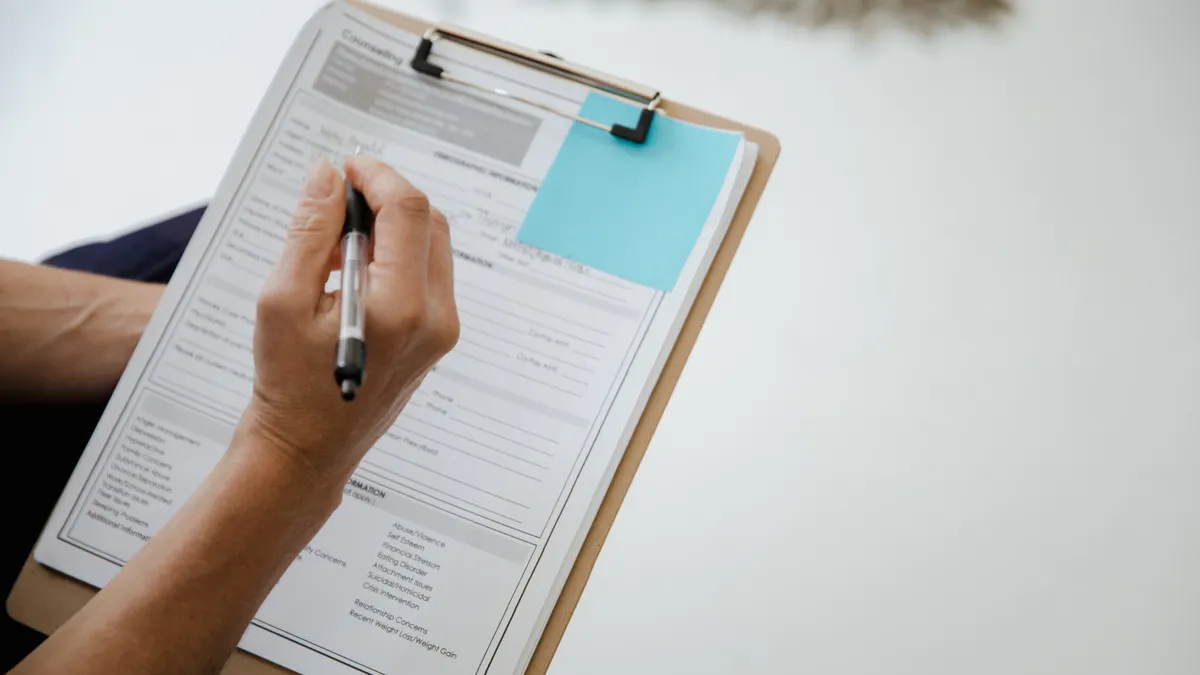
This applies to a traveler who needs to prove a delayed or canceled trip for a travel insurance claim, not a medical, baggage, or stolen-item claim. It also assumes you already have the trip records that most insurers ask for: the original booking confirmation, the itinerary or e-ticket, any airline letter or airline delay notice, and receipts for the extra costs you want reimbursed. If the trip was booked through a platform, the platform’s confirmation email still matters, but the insurer may still want the operating carrier’s notice.
The usual claim file is simple in structure even when the trip itself was not. One document shows what you planned to do, one shows what went wrong, and one shows what the disruption cost you. For a delay claim, the key term is cause of delay: the reason the carrier gave for the disruption, such as weather, aircraft unserviceability, crew timing, or air traffic control. For a cancellation claim, the key term is cancellation confirmation: a written record that the flight, train, bus, ferry, or other transport was withdrawn rather than merely changed.
The hard part is not collecting “something.” It is collecting the right version of each document and keeping them consistent. The date, route, passenger name, and booking reference should line up across the booking confirmation, delay notice, replacement booking proof, and expense receipts. If those details do not match, the insurer may ask for more proof or reject part of the claim.
This is the right approach when the disruption is tied to a scheduled transport service and the claim depends on documentary evidence. It is the wrong approach if your only proof is a memory of what happened, or if the trip issue is actually about a policy exclusion that needs interpretation before you file. In those cases, get the policy wording checked first.
How to prove a delayed or canceled trip for a Nomad travel insurance claim
You prove it by building a timestamped file that connects the planned trip, the disruption, and the money you lost. Start with the original booking confirmation and end with receipts that show exactly what you paid after the delay or cancellation.
-
Save the original booking confirmation immediately. Keep the email, PDF, or app screen that shows the passenger name, route, dates, booking reference, and ticket number if there is one. Verify that the departure date and city pair are visible. If the confirmation only shows “trip booked” without route details, that is a problem because the insurer cannot tie it to the disruption.
-
Get the airline delay notice or cancellation confirmation in writing. Ask the carrier for an email, app message, station notice, or support case number that states the delay length or the cancellation. Verify that it names the flight, date, and reason if available. If the notice is only verbal, treat it as incomplete proof and look for a written record in the app or your inbox; if you cannot find one, consult the insurer or a qualified adviser before filing.
-
Record the cause of delay exactly as issued. Save the carrier’s wording, not your summary. If the notice says “weather,” “technical issue,” “crew availability,” or “ATC restrictions,” preserve that language. Verify that the cause appears on the same document as the disruption or in a linked case record. If the cause is missing, the insurer may accept the delay but question whether it is covered under the policy.
-
Document what happened to the trip itself. If you rebooked, missed a connection, or abandoned the journey, keep the replacement booking proof, new boarding pass, or reissued ticket. Verify the new departure or arrival time and the new provider if applicable. If there was no replacement booking, note that the trip was not continued and keep the cancellation confirmation instead.
-
Collect expense receipts as soon as the money is spent. Keep transport receipts, hotel receipts, meals, internet, taxi fares, and any rebooking invoice that arose because of the disruption. Each receipt should show the supplier, amount, currency, date, and item. If a receipt is handwritten or missing a date, that is a weak point. A bank card statement can support payment, but it does not replace the itemized receipt.
-
Match every cost to the disruption. Make a short note for each expense saying why it was necessary: “one-night hotel because departure moved to next day,” “train ticket to reach alternate airport,” or “rebooking invoice after cancellation.” Verify that the timing makes sense. If you bought something before the delay was announced, it usually will not prove the expense was caused by the disruption.
-
Show the chain from original plan to final outcome. Put the booking confirmation first, then the delay or cancellation proof, then the replacement booking proof if there was one, then the receipts. Verify that the dates create a clear sequence. If the timeline jumps around, the insurer may ask you to rebuild it from scratch.
-
Export and keep copies in more than one place. Save PDFs, screenshots, and photos in a folder and a cloud backup. Use the original filenames if possible. Verify that each file opens and the key text is readable. If a screenshot cuts off the booking reference or receipt total, retake it.
For delay and cancellation claims, a neat 5- to 10-file packet usually works better than 30 unrelated screenshots. The goal is not volume; it is a readable chain of proof. If you can hand the adjuster the booking confirmation, airline delay notice, cancellation confirmation, replacement booking proof, and receipts without forcing them to guess, you are close to a usable claim file.
What counts as strong evidence, and what counts as weak evidence?
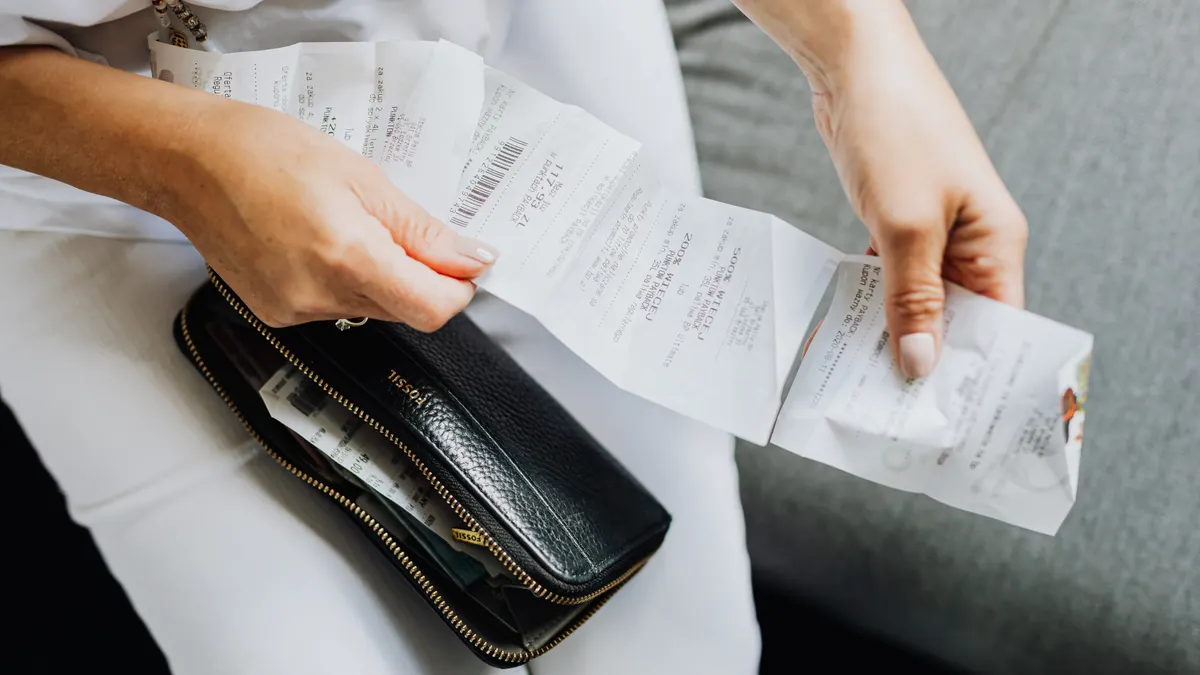
Strong evidence is a document issued by the carrier or seller; weak evidence is something you created after the fact. A PDF airline letter on carrier letterhead, an airline delay notice in the app, a cancellation confirmation email, a hotel invoice, a transport receipt, and a rebooking invoice all carry more weight than a typed note or a memory of an airport announcement.
The most useful evidence is the one that answers a specific question. The booking confirmation answers, “What was the original trip?” The delay notice answers, “What happened and when?” The cancellation confirmation answers, “Was the service withdrawn?” The expense receipts answer, “What did the disruption cost?” The replacement booking proof answers, “What did you do instead?”
Screenshots are often acceptable as backup if the insurer allows them, but they are not ideal on their own. A screenshot of a mobile app may miss the URL, the case number, or the carrier logo. If you use screenshots, make sure they show the full screen, the date, and the booking reference. If possible, pair them with the original email or downloadable PDF.
One common mistake is to submit only a bank statement. A card charge proves payment, not purpose. Another mistake is to send a delay notice without the original itinerary. That shows the event happened, but not that your trip was the one affected. The strongest claim file connects the two.
If the insurer asks for “proof of delay” or “proof of cancellation,” answer the request literally. Do not send five unrelated tickets and hope they sort it out. Use one version of each document, and make sure every line of text supports the same story.
When should I stop collecting documents and get help?
You should stop trying to self-assemble the claim and get qualified help when the documents no longer line up cleanly or the policy wording becomes the real dispute. That matters because the evidence problem and the coverage problem are not the same thing.
The carrier gave no written notice: verbal statements from staff may not be enough — ask for an email, case number, or app record, and if none exists, escalate to the airline or transport operator before filing.
The reason for delay is unclear or conflicting: one document says weather, another says technical fault — preserve both and get clarification, because the cause of delay can determine whether the claim is covered.
Your receipts are missing key details: without supplier name, date, or amount, the insurer can challenge them — request duplicates from the hotel, airline, or transport company.
The trip was booked through a third party and the records disagree: platform confirmation, airline record, and payment receipt may not match — ask the seller to correct the itinerary before you submit.
The claim value is large or the insurer has already queried cover: at that point the issue is no longer only proof — consult a qualified adviser who can review the policy wording and the supporting evidence.
You are dealing with a multi-leg itinerary or code-share flight: the operating carrier may be different from the ticketing carrier — identify which company actually caused or confirmed the disruption before filing.
In each of those situations, the risk is not just delay in payment. A poorly structured file can create a second round of questions, and a second round of questions usually means more time, more documents, and a higher chance of a partial outcome.
The mistakes that weaken a delay or cancellation claim
The most common mistake is filing the claim before the evidence is complete. That often leads to a partial submission, then a back-and-forth that stretches for weeks. The better alternative is to wait until you have the booking confirmation, the airline delay notice or cancellation confirmation, and at least the key receipts.
A second mistake is mixing originals and summaries. If you rewrite the cause of delay in your own words, the insurer may treat it as less reliable than the carrier’s wording. The fix is simple: quote the exact language from the notice and attach the source.
A third mistake is claiming every cost in the trip file. Some expenses are personal choices, not consequences of disruption. An extra night in a luxury hotel when a basic airport hotel would have solved the problem may be challenged. Keep the cost connected and reasonable.
A fourth mistake is losing the time order. If the receipt predates the delay notice, the claim can look reconstructed after the fact. The alternative is to build a timeline with timestamps, even if it is only a one-page note.
A fifth mistake is relying on a single blurry screenshot. That can fail if the insurer cannot read the booking reference or exact time. A clearer alternative is to save the original email, the PDF confirmation, and the screenshot together.
A sixth mistake is ignoring the cause of delay. Many travelers submit proof that a delay happened but omit why it happened. If the policy treats weather differently from mechanical failure or strike-related disruption, the cause matters as much as the delay itself; if the wording is unclear, consult the policy or a qualified adviser.
What changes when the trip was changed, not just delayed?
A changed trip needs proof of the original plan, the replacement plan, and the reason the change was necessary. That is different from a simple delay because the insurer may want to see both the abandoned booking and the new one.
If the airline rebooked you automatically, keep the new itinerary, the original flight record, and any message saying the carrier moved you. If you rebooked yourself, keep the rebooking invoice and the payment receipt together. If you took another carrier, show the old booking and the new booking side by side so the insurer can see why both exist.
A schedule change is not always the same as a cancellation, so check the policy wording and the carrier record rather than assuming they are identical. A one-hour shift may not be enough for a trip interruption claim under some policies, while a same-day cancellation almost certainly changes the evidence set. The practical rule is to prove the size of the disruption and the result. If you still traveled on the same service, the claim may be for delay. If you had to buy a different route, it becomes replacement booking proof.
For multi-leg trips, keep each leg separate. A missed connection caused by the first leg often needs proof from both legs, not just one. If you were rebooked through a hub airport, the new itinerary should show the new arrival time at the final destination. That lets the insurer see the full effect of the disruption without guessing.
What a solid claim packet looks like
A solid packet usually fits into a simple order: trip booked, disruption confirmed, trip altered, money spent, and a short note tying it together. In practice, that means one booking confirmation, one airline letter or delay notice, one cancellation confirmation if relevant, one replacement booking proof if used, and itemized receipts for the extra costs.
The packet does not need to be fancy. It needs to be readable. Each file should answer one question, and the answer should be visible in the first 5 seconds of opening it. If an adjuster has to search through 12 pages to find the route or date, the file is weaker than it should be.
A good result is not “a huge stack of documents.” It is a claim that can be checked quickly against the policy wording and the event timeline. If you can explain the trip in three sentences and point to the documents that support each sentence, you have enough structure to submit with confidence.
Do screenshots count as proof?
Sometimes, but they are weaker than the original notice or PDF. A screenshot helps when it shows the full booking reference, date, and carrier name, but it can be hard to verify if it is cropped or blurred. Save the original email, app record, or downloadable notice as well.
What evidence is best for a cancellation claim?
The best evidence is a written cancellation confirmation from the carrier, paired with the original booking confirmation. Those two documents show that the trip was scheduled and then withdrawn. If you replaced the booking, add the rebooking invoice or new itinerary so the insurer can follow the full sequence.
Can weather delays be claimed?
They can be, but only if the policy covers weather-related disruption and the delay meets the policy’s wording. The proof still needs to show the delay or cancellation and the cause of delay as stated by the carrier. Because policy terms vary by insurer and country, check the wording before assuming weather is covered.
Drafted with AI; not yet reviewed by a person.